

The Power of The Artist’s Studio
The Power of The Artist’s Studio
Philip Dominic
ISSUE 3 OUT NOW - READ HERE:
https://heyzine.com/flip-book/a297ca0813.html
“A clean room, a clean mind,” is a famous saying that most people know. Yet, artists don’t realize how much that their physical space affects their mentality, and their mentality affects their creations. Where do you create your art? Perhaps in a quiet room, with the soft sun gleaming from the windows while you hastily finish your best short story yet; maybe in a large, crowded canteen, the noise fuels your innate desire to finish your watercolour masterpiece.
Since the dawn of creativity, artists, musicians, and creatives alike have all strived to create a consistent space to express themselves. To let their ideas form, their brushes flow, their minds wander, in a place where they can be themselves. That, in essence, was the idea of the studio. Originating from the Latin word “studere”, meaning to study, or to have zeal, the studio was meant for individuals who want to learn.
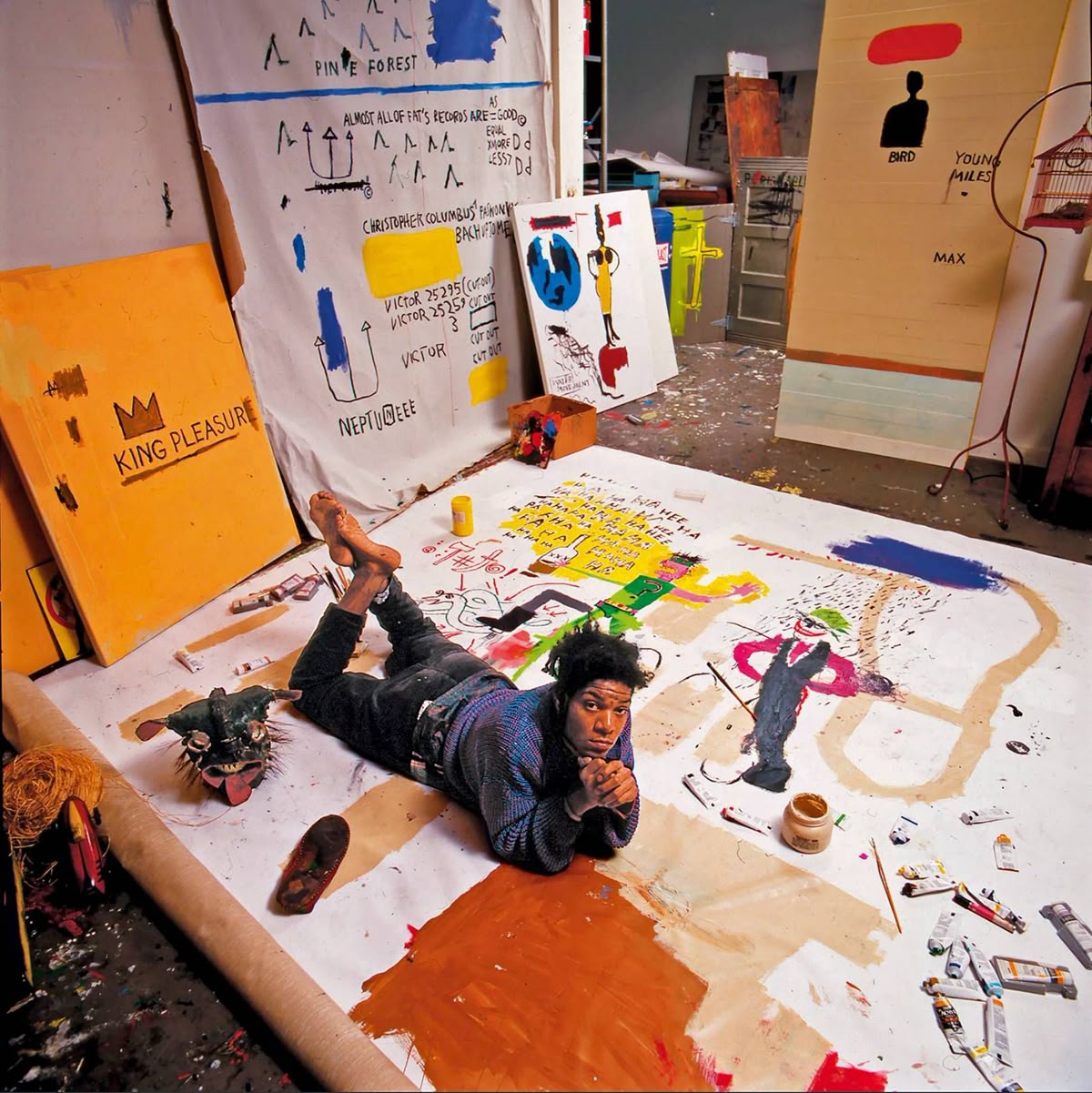
Studios are used for all forms of art; dance studios, recording studios, art studios. It originated in the Renaissance, where it was used to designate works and give ownership to studios as “from the workshop/studio of”. Nowadays, the modern day creative either has one of their own, or goes to a public studio to make their hopes come true. Filled with lights, equipment, and items and ideas strewn across the floor, the room is a reflection of their minds: messy, unarranged, and ready to create.
In essence, studios have been an important puzzle piece to the life of the artist; of the creative mind. For generations they have been the catalyst for artistic creation. Who knows where the concept will go from here? One can only hope that no matter the year, no matter the century, artists still have a space where they can create. Where they can imagine. Where they can dream.
Henry, edit the version at the bottom. I can use this like a demonstration to my fellows to show them ur skill. Also highlight the parts that you edited.
“A clean room, a clean mind,” is a famous saying that many people know. Yet, artists don’t realize just how much their physical space affects their mentality, and their mentality affects their creations. Where do you create your art? Perhaps in a quiet room, with the soft sun gleaming from the windows whilst you hastily finish your best short story yet; maybe in a large, crowded canteen, the noise fueling your innate desire to finish your watercolour masterpiece.
Since the dawn of creativity, artists, musicians, and creatives alike have all strived to create a consistent space to express themselves. To let their ideas form, their brushes flow, their minds wander, in a place where they can be themselves. That, in essence, was the idea of the studio. Originating from the Latin word ‘studere’, meaning to study or to have zeal, the studio was meant for individuals who want to learn.
Studios are used for all forms of craft; dance studios, recording studios, art studios. It originated in the Renaissance, where it was used to designate works and give ownership to artists as “from the workshop/studio of”. Nowadays, the modern day creative either has one of their own, or goes to a public studio to make their ideas come to fruition. Filled with lights, equipment, with items and ideas strewn across the floor, the room is a reflection of their minds: messy, unarranged, and ready to create.
In essence, studios have been an important puzzle piece to the life of the artist and the creative mind. For generations they have been the catalyst for artistic creation. Who knows where the concept will go from here? One can only hope that no matter the year, no matter the century, artists still have a space where they can create; where they can imagine; where they can dream.